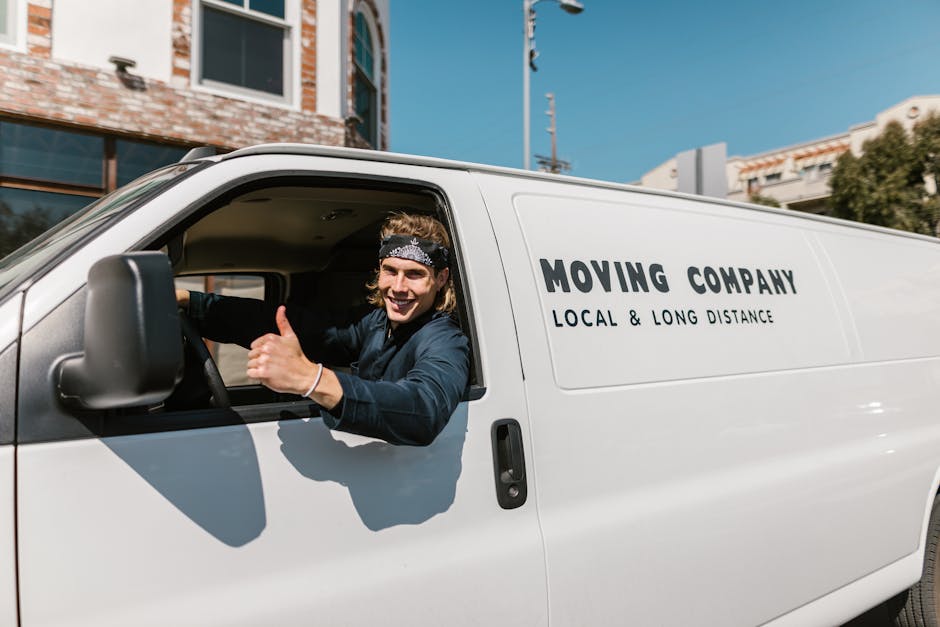
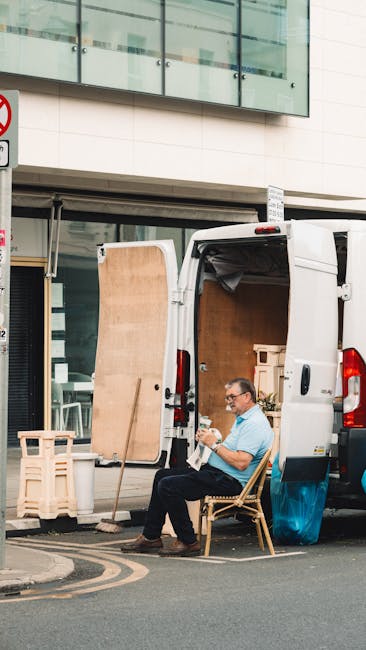
Packing Fragile Items on Putney's Narrow Streets
Putney looks deceptively straightforward on a map. Then you try to move a mirror, a stack of glasses, or a family heirloom through a tight street, a parked car squeeze, and a stairwell that seems to get narrower by the minute. That is where Packing Fragile Items on Putney's Narrow Streets stops being a general moving task and becomes something much more specific: careful, local, and very practical. The streets, the turns, the loading spots, the timing. All of it matters.
Whether you are moving a single room, a full flat, or a home office full of delicate equipment, the goal is the same: protect fragile items from knocks, pressure, vibration, and rushed handling. In this guide, we will walk through the real-world side of it, from packing methods to timing, compliance, and the little decisions that make a big difference. Let's face it, nobody wants to unwrap a box and hear that heartbreaking rattle.
Table of Contents
- Why Packing Fragile Items on Putney's Narrow Streets Matters
- How Packing Fragile Items on Putney's Narrow Streets Works
- Key Benefits and Practical Advantages
- Who This Is For and When It Makes Sense
- Step-by-Step Guidance
- Expert Tips for Better Results
- Common Mistakes to Avoid
- Tools, Resources and Recommendations
- Law, Compliance, Standards, or Best Practice
- Options, Methods, or Comparison Table
- Case Study or Real-World Example
- Practical Checklist
- Conclusion
- Frequently Asked Questions
Why Packing Fragile Items on Putney's Narrow Streets Matters
Putney's streets can be busy, tight, and a bit awkward for moving day logistics. You may have parked cars on both sides, passing traffic, a limited loading window, and short carrying distances that somehow still feel like a marathon. When fragile items are involved, those conditions increase the chance of damage unless the packing is done properly.
Fragile items do not usually fail because of one huge impact. More often, they are damaged by a chain of smaller issues: a box that is too large, too much empty space inside, poor labelling, rushed lifting, or a box being set down at an angle on a narrow pavement. In other words, the problem is rarely just the street. It is the combination of the street and the packing method.
This matters especially in older Putney homes, converted flats, and terraces where staircases can be tight and turning space limited. A well-packed box is easier to carry, easier to stack in a van, and easier to protect when someone has to pause on the kerb because a cyclist appears around the corner. That little pause matters more than people think.
Expert summary: In narrow-street moves, good packing is not only about cushioning items. It is about making fragile loads easier to carry, safer to stack, and less likely to shift when movement gets awkward.
If you are comparing broader moving options, it can also help to understand how a man with van service or a fuller removal services approach might fit your move, especially if access is tight and items need extra handling.
How Packing Fragile Items on Putney's Narrow Streets Works
The basic idea is simple: the more difficult the access, the more important it is that each fragile item is packed to survive a few extra bumps, turns, and stops. On a narrow Putney street, this usually means planning the pack around the move route, not just around the object itself.
Here is how it works in practice. First, fragile items are grouped by type and weight. Glassware is not packed the same way as a lamp, and a framed print should not be treated like a stack of mugs. Next, the packing materials are matched to the object. Then boxes are filled so that the contents do not shift when the box is tilted, lifted, or carried through a cramped hallway.
The street layout comes next. If access is tight, boxes should be sized for easier handling rather than maximum volume. That is a small but important distinction. A giant box packed with mixed breakables is often more dangerous than two smaller, well-cushioned boxes. You will notice the difference when it comes time to carry them down a flight of stairs or round a narrow pavement corner.
Good fragile-item packing also anticipates how the van will be loaded. Heavier cartons should sit low, delicate surfaces should be protected from rubbing, and items that can crush or lean should not be stacked carelessly. If you are using a removal van or a larger moving van, smart packing becomes even more important because the load space can invite over-stacking if you are not careful. It happens fast. One minute it looks tidy, the next minute a lamp shade is under a suitcase.
Key Benefits and Practical Advantages
There are several clear advantages to packing fragile items properly for a Putney move, and they are not abstract benefits. They are the kind you feel on the day.
- Less breakage: Proper cushioning and box selection reduce the chance of chips, cracks, and shattered edges.
- Easier carrying: Well-packed boxes are more balanced and less awkward to lift in tight spaces.
- Better stacking: Uniform, secure boxes fit more safely inside a van.
- Faster loading and unloading: Clear labels and organised packing save time, especially when street access is limited.
- Less stress: Knowing your fragile items are protected takes pressure off the whole move.
- Better protection on uneven surfaces: Narrow streets often mean more stops, pivots, and small jolts that make strong packing worthwhile.
There is also a practical financial angle. Replacing a damaged mirror, glass table top, or custom-made ceramic piece can be expensive, and sometimes impossible. To be fair, the true value of good packing is often only obvious after the move, when everything arrives intact and you barely think about it again. That is the point.
If you are arranging a broader move, you may also want to look at packing and unpacking services as a way to reduce the burden on moving day. For some households, that is the difference between a calm relocation and a long evening surrounded by half-open boxes and bubble wrap scraps everywhere.
Who This Is For and When It Makes Sense
This guidance is useful for a wide range of people, but it is especially relevant if you are moving in or around Putney and have fragile items that matter to you personally or professionally.
- Flat movers: Especially in upper-floor flats where stairwells are narrow and turns are tight.
- Families: Households with glassware, ornaments, children's keepsakes, or kitchen breakables.
- Students and renters: Often moving on a budget, with less margin for replacing damaged items.
- Home workers: People moving monitors, printers, cameras, or specialist equipment.
- Small businesses: Offices relocating files, display items, or delicate stock.
- Anyone using a local removal team: When access is restricted, the packing standard needs to rise, not fall.
It makes sense anytime the route from your door to the van is awkward. A narrow street, a shared entrance, limited parking, or a building with a tight corner landing all count. And if you are moving at a busy time of day, the margin for error shrinks again. One awkward box can slow everything down.
Sometimes the choice is not whether to pack carefully. It is whether to pack carefully enough for the actual route. That is the distinction people miss.
Step-by-Step Guidance
Here is a practical, field-tested way to handle fragile items when access is less than generous.
1. Sort items by fragility and shape
Start by separating breakables into sensible groups: glassware, ceramics, framed artwork, lamps, mirrors, screens, and awkward-shaped items. A mug and a mirror both count as fragile, but they need very different treatment. Sorting first prevents the classic mistake of packing "all the delicate bits" into one box and hoping for the best. Hope is not a packing method.
2. Choose the right box size
Use smaller boxes for heavy or highly fragile items. This is especially useful on narrow Putney streets where boxes may need to be carried one-handed through tight gaps or down steps. A box that is too large encourages overpacking, which leads to movement inside the box. Too much movement is bad news.
3. Wrap each item individually
Wrap glass, ceramics, and ornaments separately using paper, bubble wrap, or soft packing material. For framed pieces, protect the corners first. Corners are where trouble starts, more often than not. If you hear a faint clink while packing, stop and add more cushioning.
4. Cushion the base and sides
Create a soft base inside each box before adding items. Then fill side gaps so the contents do not shift when the box is nudged or tilted. A narrow street means more stopping and starting, so the box should tolerate motion, not just stillness.
5. Fill voids properly
Empty spaces are the enemy. Use packing paper, foam, or other suitable material to stop movement. If a box sounds hollow when shaken gently, it probably needs more fill. Not a little more. More.
6. Keep weight balanced
Heavy items should sit lower in the box, with lighter delicate items above only if the structure allows it. Avoid creating a top-heavy box that feels unstable in your hands. On a narrow pavement, balance matters because even a slight wobble can turn into a stressful carry.
7. Seal, label, and orient clearly
Seal boxes securely and label them with clear handling notes such as fragile, this side up, and the room destination. Labels will not magically stop every bump, but they do help everyone handle the box with the right level of care. A well-labelled box is quicker to place in the van and easier to prioritise on arrival.
8. Plan the loading order
Fragile items should generally be loaded in a way that prevents crushing or sliding. Keep them where they will not be trapped under heavy furniture or squeezed against hard edges. If you are also moving furniture, services such as furniture pick up can help reduce the volume of bulky items competing for space.
9. Carry slowly and communicate
This part sounds obvious until you are halfway down a front step with a box of glasses. Move slowly. Call out narrow corners. Pause if a door needs to be held open. The safest move is usually the one that feels almost too careful.
Expert Tips for Better Results
A few small habits can improve results quite a lot, especially on Putney streets where space is limited and the day can get busy quickly.
- Pack by destination room: This reduces confusion when the van is unloaded and saves time in the property.
- Use colour coding if you can: A simple colour marker for kitchen, lounge, and bedroom can make a surprising difference.
- Double-protect high-value items: For artwork, antiques, or anything sentimental, use both wrapping and rigid outer protection.
- Avoid overfilling boxes: A box that looks efficient but is too tight may burst or crush contents.
- Keep essentials separate: A small "last off" fragile box is very helpful for items you want to inspect first.
- Think about weather: Rain on a narrow street can make cardboard soft and slippery. A bit of extra protection goes a long way.
One local reality worth mentioning: in tight residential streets, loading sometimes takes place in short bursts rather than one uninterrupted flow. That means you may need boxes that can be safely set down, lifted again, and shifted around without losing their structure. It sounds minor. It isn't.
If you are comparing different move types, a wider man and van removals option can be handy for smaller loads where fragile items need close handling but the move does not justify a full-scale team. For larger, more complex homes, a more complete house removals service may be the better fit.
Common Mistakes to Avoid
Most fragile-item damage comes from a handful of predictable mistakes. Avoiding these is half the job.
- Using oversized boxes: They are harder to carry and easier to overload.
- Mixing too many item types: Glass, ceramics, and metal objects should not all rattle together.
- Leaving empty space: Movement inside the box leads to damage, simple as that.
- Skimping on corner protection: Mirrors and frames are especially vulnerable at the edges.
- Ignoring the route: A pack that works in a wide hallway may fail in a narrow stairwell.
- Stacking fragile boxes under heavy ones: This is one of the easiest ways to ruin a good pack.
- Rushing the final load: The last ten minutes can cause more damage than the first hour if people get careless.
There is also a psychological trap: once something is wrapped, people relax too much. Fair enough, it looks safe. But wrap is only one part of the system. The move itself still needs care, especially where Putney's tighter streets can force awkward angles and quick decisions.
Tools, Resources and Recommendations
You do not need a specialist workshop to pack fragile items well, but the right tools help enormously. Here is the basic kit worth having.
| Tool / Material | Best For | Why It Helps |
|---|---|---|
| Small sturdy boxes | Glassware, ornaments, mugs | Limits heavy loads and reduces shifting |
| Packing paper | Crockery, fillers, wrapping | Great for cushioning without too much bulk |
| Bubble wrap | Artwork, lamps, fragile surfaces | Protects against knocks and vibration |
| Corners protectors | Mirrors, frames, glass panels | Reduces edge damage during carrying |
| Strong tape | Sealing boxes securely | Prevents box failure under strain |
| Labels and marker pens | Organisation and handling notes | Makes loading and unloading much smoother |
| Blankets or soft wraps | Large fragile items | Adds a protective layer during transit |
For people who want to reduce the hands-on work, professional removal companies often bring experience with the awkward bits: awkward landings, tight roads, and boxes that must be loaded in a specific order. If you are planning a bigger transition, home moves support can also be useful because the packing strategy is then aligned with the full moving plan, not just the boxes.
If sustainability matters to you, it is worth thinking about reusable crates, recyclable cardboard, and sensible waste sorting after the move. The website's recycling and sustainability page may be useful if you want to reduce packing waste without making the move less safe.
Law, Compliance, Standards, or Best Practice
For most household moves, there is no special law about how to pack a teacup or a mirror. Still, there are sensible standards and duties to keep in mind. If you hire a moving provider, they should have appropriate insurance, handle goods with reasonable care, and follow basic health and safety practices. That is especially relevant where access is tight and lifting risks increase.
Health and safety in moving work is not just about the van. It includes manual handling, keeping walkways clear where possible, using suitable lifting technique, and not overloading boxes that could fail mid-carry. On narrow streets, the risk of dropped items rises if people are rushed or carrying loads that are too bulky for the route. So a calm packing method is not just neat. It is safer.
If you are booking professional help, it is sensible to ask about cover, handling procedures, and what happens if an item is declared fragile before the move. A good provider should be able to explain their process clearly. You should not need to decode vague language or guess how your belongings will be treated. If a company cannot explain its handling approach in plain English, that is a small warning sign. Not a drama, just worth noticing.
For reassurance, you can also review the company's insurance and safety information and its health and safety policy before booking. If you are comparing terms or payment terms as part of a move, the pages on terms and conditions and payment and security can help set expectations in advance.
Options, Methods, or Comparison Table
There is no single best way to pack fragile items. The right method depends on the item, the access route, and how much time you have. Here is a practical comparison.
| Method | Best For | Strengths | Trade-offs |
|---|---|---|---|
| Standard wrap-and-box | Everyday glassware, mugs, small ornaments | Simple, affordable, quick | Needs careful void filling and clear labels |
| Double-boxing | High-value or extra-delicate items | Excellent protection for impact and vibration | Takes more time and materials |
| Rigid protection with padding | Frames, mirrors, flat artwork | Strong edge and surface protection | Can be bulkier to carry |
| Professional packing service | Busy moves, offices, premium items | Less stress, better consistency | Higher upfront cost |
| Mixed self-pack and pro-load | Budget-conscious moves with some delicate items | Balances cost and support | Requires more planning and coordination |
If your route includes very tight access, the safest option is often not the cheapest-looking one at first glance. A slightly stronger packing method can save time and avoid awkward repacking on the pavement. And nobody wants to be rebuilding a box outside while traffic passes by. Not ideal.
Case Study or Real-World Example
Here is a realistic example based on the kind of move many Putney residents know too well. A couple in a first-floor flat needed to move glassware, framed prints, a tall lamp, and a small set of ceramic kitchen items. The street outside had limited stopping space, so boxes had to be carried quickly from the door to the van without much room to pause.
They started with a few large boxes, but it soon became obvious those were too awkward for the staircase. The boxes were repacked into smaller cartons, the glassware was wrapped individually, and the framed prints were moved upright with corner protection. The lamp was given its own box rather than being squeezed between softer items. That one change alone made the load easier to manage.
On collection day, the pack paid off. The boxes were manageable, labels were clear, and the load could be set down and shifted safely without items moving around inside. There was one slightly nerve-wracking moment at the front door when a passer-by needed to squeeze past with a dog. Very Putney. But because the boxes were balanced and secure, nothing shifted. Everything arrived in one piece, which is exactly how it should feel.
The lesson is simple: narrow streets reward disciplined packing. Not flashy, just disciplined.
Practical Checklist
Use this checklist before moving fragile items through Putney's tighter streets.
- Sort fragile items by type and size.
- Choose smaller, stronger boxes for breakables.
- Wrap each item individually.
- Fill all empty spaces inside boxes.
- Protect corners and flat surfaces carefully.
- Keep weight balanced and avoid overfilling.
- Label every fragile box clearly.
- Mark destination rooms where helpful.
- Plan the loading order before move day.
- Keep the most delicate items easy to identify.
- Check insurance and safety details if using movers.
- Allow extra time for narrow access, stairs, or parking issues.
Quick takeaway: the safest fragile-item move is rarely the one with the most packing material. It is the one with the right size boxes, the right order, and the least unnecessary movement. Simple, but easy to get wrong in a rush.
Conclusion
Packing fragile items on Putney's narrow streets is really about matching your packing method to the realities of the route. Tight access, awkward corners, busy pavements, and short loading windows all make careful packing more important, not less. If you take the time to use the right box sizes, protect each item properly, and plan the load with the street in mind, you give yourself a much calmer move and far better protection for the things that matter.
It does not need to be complicated. It just needs to be thoughtful. And truth be told, thoughtful packing is one of those things you only appreciate fully after the move, when the boxes open quietly and everything is still intact. That quiet moment is worth a lot.
If you are planning a move in Putney and want help with the practical side, start by reviewing the service details and choosing the level of support that fits your load, your access, and your schedule.
Get a free quote today and see how much you can save.
Frequently Asked Questions
What is the best way to pack fragile items for narrow streets?
Use smaller strong boxes, wrap each item separately, fill voids well, and keep boxes easy to carry. Narrow streets make awkward lifting more likely, so balanced, compact packing helps more than oversized cartons.
Should fragile items be packed differently in Putney compared with other areas?
Often, yes. Putney's tighter streets, older housing stock, and parking limitations can make carrying and loading more awkward. That means box size, weight balance, and load order matter a bit more than usual.
Is bubble wrap enough for glassware and ornaments?
Bubble wrap is useful, but it should not be the only protection. You also need a sturdy box, soft cushioning at the base, and enough void fill so items do not shift during lifting or transport.
How do I protect framed pictures and mirrors?
Protect the corners first, then wrap the surface and keep the item upright when possible. For larger pieces, rigid outer protection or double-boxing can help if access is tight and movement is likely.
Are smaller boxes always better for fragile items?
Not always, but they are usually safer. Smaller boxes are easier to carry through narrow spaces and less likely to be overloaded. For most delicate items, that is a very sensible trade-off.
What should I do if I have both fragile items and heavy furniture?
Load the fragile boxes separately and make sure they are not stacked under heavy furniture. If possible, move fragile items first or keep them in a section of the van where they cannot be crushed.
Can a man and van service handle fragile packing well?
Yes, if the provider is used to careful handling and the packing has been done properly. For smaller moves, a man with a van option can work well, provided the fragile items are packed for the route and not just for storage.
How much extra time should I allow for fragile packing?
Allow more time than you think you need, especially if items must be wrapped individually. Fragile packing is one of those jobs that goes badly when rushed. A slower pace usually saves time overall.
Do I need professional packing services for a small move?
Not always. If you only have a few breakables, careful self-packing may be enough. But if access is tight, the items are valuable, or you are short on time, professional support can be worth it.
What should I ask a moving company about fragile items?
Ask how they handle fragile goods, whether they have insurance, how boxes should be labelled, and what happens if something is especially delicate. Clear answers are a good sign. Vague answers, not so much.
How do I know if my packing is secure enough?
Gently shake the box. If you hear movement, it needs more cushioning. The box should feel stable, not empty or top-heavy. If in doubt, add protection before you seal it up.
What is the biggest mistake people make with fragile items on moving day?
Usually it is combining too much into one box and underestimating the effect of the route. A box that seems fine in a living room may become awkward on a narrow street with steps, corners, and quick stops.