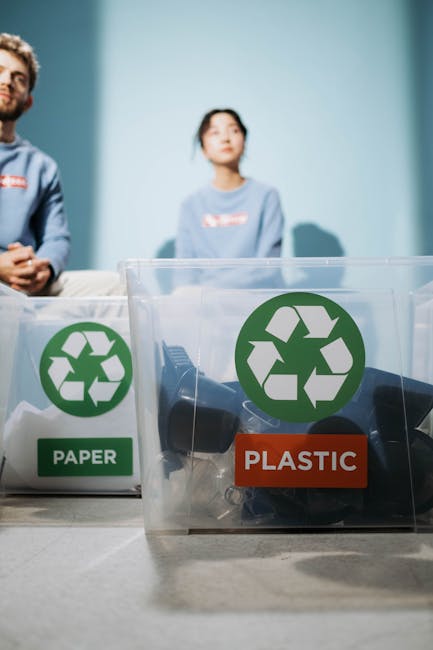
Eco-Friendly Disposal in Putney: Recycling & Donation Tips
If you are clearing out a flat near Putney High Street, emptying a family home after a move, or just tackling the cupboard full of things you meant to sort "next weekend", eco-friendly disposal can make the whole job feel far less wasteful. Eco-Friendly Disposal in Putney: Recycling & Donation Tips is really about one simple idea: keep as much as possible in use, and keep the rest moving through the right recycling route instead of sending everything to landfill. That sounds neat on paper. In real life, it takes a bit of judgement, a bit of sorting, and sometimes a bit of patience.
This guide walks you through what to keep, what to recycle, what to donate, and how to avoid the common mistakes that turn a good intention into a messy pile by the front door. You will also find a practical checklist, a comparison table, and some straight-talking advice for Putney homes and small businesses alike.
To be fair, most people do not need more guilt about waste. They need a clear plan.
Why Eco-Friendly Disposal in Putney: Recycling & Donation Tips Matters
Putney has the usual mix of Victorian terraces, mansion flats, newer apartments, student lets, and busy family homes. That mix matters because different properties create different kinds of waste. A flat clear-out after a tenancy can produce textiles, broken small appliances, packaging, and furniture. A home move often creates duplicate household items, spare decor, old bedding, and one too many dining chairs. An office tidy-up brings cables, monitors, filing systems, and office furniture that may still have a useful life.
Eco-friendly disposal matters because the wrong approach is almost always inefficient. If you put reuseable items in the skip pile, you pay twice: once in disposal effort and again in lost value. If you separate recycling too late, you end up with contamination, which makes good material harder to process. And if donations are left until the last minute, you miss the chance to pass usable items on while they are still in decent condition.
There is also the local side of it. Busy urban streets are not the place for random dumping, overflow bags, or half-filled black sacks left for "later". Putney residents tend to notice when rubbish looks untidy; so do neighbours, managing agents, and building teams. A tidy disposal plan keeps the move or clearance calmer from the start.
One small but useful mindset shift: disposal is not just the final step. It is part of the planning. If you treat it that way, the whole process becomes easier.
How Eco-Friendly Disposal in Putney: Recycling & Donation Tips Works
The process is simpler when you break it into categories rather than moods. People often look at a room and think, "This needs clearing." Fair enough. But the smarter question is: what exactly is in here, and where should each type of item go?
In practice, eco-friendly disposal usually follows four routes:
- Reuse for items in good condition that can be passed on directly.
- Donation for furniture, clothing, books, and household goods that still have life left in them.
- Recycling for materials such as cardboard, metal, certain plastics, and some electrical items, depending on condition and collection route.
- Responsible disposal for anything damaged, contaminated, or not accepted elsewhere.
Where people get caught out is in assuming everything recyclable is accepted together. It is not. A cardboard box with food residue is not the same as clean cardboard. A broken chair may have recyclable metal parts, but the whole item is not automatically recyclable as one single piece. That is why a bit of sorting up front saves so much time later.
For larger clearances, a structured collection approach helps. Many people prefer to combine reuse, donation, and recycling into one planned collection rather than making several small trips. If you are moving home, clearing a rental, or dealing with bulky furniture, a service such as man with van support can make the practical side much easier while still keeping the disposal process organised. If the job is bigger and includes a full property clean-out, looking at removal services can be the sensible next step.
And yes, timing matters. A good plan before 9am on collection day is worth more than three frantic sort-outs at the kerb.
Key Benefits and Practical Advantages
Eco-friendly disposal is often framed as a moral choice, but it has very real practical upside too. You notice it most when you are in the middle of a move and every saved bag or rescued item reduces the load.
- Less waste: Fewer items go straight to disposal when they could be reused or recycled.
- Better space management: Sorting as you go prevents piles from growing into a room-wide problem.
- Lower stress: A clear plan means fewer last-minute decisions and less "Where does this go?" panic.
- Potential cost savings: Donating or reusing items can reduce the amount that needs paying for removal or disposal.
- Cleaner handover: Helpful for tenants, landlords, and homeowners trying to leave a property tidy.
- More responsible moving process: Especially useful if you are already booking a team for home moves or sorting a full property clearance.
There is another benefit people do not always mention: it feels better. Not in a dramatic way. Just in the quiet relief of seeing useful things continue their journey instead of becoming waste for no good reason.
Who This Is For and When It Makes Sense
This approach is relevant for far more people than just eco-conscious households. In Putney, it tends to make sense for:
- homeowners downsizing or decluttering before a sale
- tenants preparing to move out of a rented flat
- landlords handling end-of-tenancy clearances
- families clearing inherited items
- students moving between lets and looking to reduce what they carry
- small businesses refreshing office furniture or archive storage
- people who have "good enough" items that should not be thrown away yet
It also makes sense whenever you are short on time and long on stuff. Which, let's be honest, is most people at some point. A drawer stuffed with old chargers, a wardrobe full of wearable clothes, a sideboard with mismatched crockery-these are the moments where a plan helps more than enthusiasm.
If your clearance includes office stock, desks, or old fittings, you may find the process aligns well with office removals or wider commercial moves. That is often the case when businesses want to reduce waste while keeping the move efficient.
Step-by-Step Guidance
Here is the simplest way to handle eco-friendly disposal without making it a weekend that disappears into chaos.
1. Walk through the space and sort by category
Start with broad groups: furniture, textiles, electricals, books, paper, kitchen items, packaging, and general waste. Do not try to make tiny decisions item by item at the beginning. That is where people stall.
2. Pull out anything reusable first
Look for items that are clean, working, and presentable enough for someone else to use. A lamp with a broken bulb is not a lost cause. A sofa with worn fabric may still be useful if it is safe and sound. Think practically, not perfectly.
3. Set aside donation-ready items
Donate items only if they are complete, clean, and in decent condition. A charity or donation route is much more likely to accept a sturdy chair than a damaged one that "only needs a little repair". We all tell ourselves that. Usually it means the item is already on its way out.
4. Separate recyclable materials
Keep cardboard flat and clean. Remove obvious contamination where possible. Bundle paper together. Set aside metals and small recyclables if they are accepted through your chosen route. For electrical items, check the condition carefully; many need specific handling, especially if they are broken or contain batteries.
5. Make a clear plan for bulky or awkward items
Mattresses, wardrobes, sofas, and office desks are the things that trip people up because they are large, awkward, and hard to move in a narrow hallway. If you need help, a man and van removals option can be a practical middle ground for small to medium loads. For bigger jobs, you might prefer removals support so everything is taken away in one organised visit.
6. Book the right collection or drop-off method
Decide whether items are going out through donation, recycling, reuse, or final disposal. Then confirm what each route will accept. This is one of those boring steps that saves a lot of awkwardness later.
7. Keep a final "do not mix" pile
Put batteries, paint, confidential paperwork, and damaged electronics aside from general waste. Mixing them in with the rest can cause problems. A good clearance is tidy right to the end.
Expert Tips for Better Results
After enough clearances, a few patterns become obvious. The best results usually come from simple habits, not heroic effort.
- Sort earlier than you think you need to. The day before a move is already busy. Start the disposal sort before that point if you can.
- Use the "would I give this to a friend?" test. It sounds a bit blunt, but it works. If you would not hand it to someone you know, it probably is not donation-ready.
- Keep a donation bag or box open from the start. That tiny thing makes it easier to separate good items as you uncover them.
- Protect items that can be reused. Clean them lightly, keep screws or shelves with matching furniture, and tape loose parts together.
- Group by destination, not room. Once the sorting starts, focus on where things are going. It keeps the process moving.
- Take photos of valuable items before letting them go. This helps if you are passing things on to family or checking whether a piece is worth selling instead of donating.
A small real-world note: the cleanest-looking clearances are usually the ones where someone had three labelled areas-donate, recycle, dispose. Nothing fancy. Just three piles and a bit of discipline. Simple, almost annoyingly so.
If your move includes packing too, you may also find packing and unpacking services useful, especially when you are trying to keep reusable items separate from fragile or mixed-use boxes.
Common Mistakes to Avoid
Most disposal mistakes are not dramatic. They are small habits that create bigger problems.
- Leaving sorting until collection day and then rushing decisions.
- Mixing donations with general rubbish, which makes good items unusable.
- Assuming all recycling is the same and throwing contaminated material into the wrong stream.
- Forgetting about small items like cables, batteries, chargers, and bulbs.
- Trying to donate damaged goods that need repairs a charity or recipient cannot realistically handle.
- Overfilling bags and boxes, which can make handling unsafe and awkward.
- Ignoring access issues such as narrow stairs, lift limits, or parking restrictions.
One of the most common missteps is treating the process as a single event. In reality, it is a sequence. Decide what stays, what goes to donation, what can be recycled, and what truly needs disposal. If you skip one of those decisions, it usually comes back to bite you later-often in the form of a pile near the front door.
Tools, Resources and Recommendations
You do not need a room full of equipment to dispose of items responsibly. A few basic tools make a big difference:
- strong reusable bags or boxes for sorting
- labels or marker pens for donation, recycling, and disposal piles
- packing tape for securing loose parts
- protective gloves for dusty loft items or garage clear-outs
- a phone camera for recording item condition or keeping track of grouped pieces
- blanket wraps or old sheets for protecting furniture edges
For larger jobs, having the right vehicle matters too. If the items are bulky but manageable, a flexible vehicle option can save time and avoid multiple trips. You might use moving van support for medium-sized clearances or removal van capacity for more organised item transport. Bigger collections may suit moving truck support when volume is the issue.
For business clients or landlords dealing with repeat clearances, it can also be sensible to think about packaging the job as part of removal company support rather than trying to coordinate everything piecemeal. That is not always necessary, but it can reduce the number of moving parts. No pun intended. Well, maybe a little.
Law, Compliance, Standards, or Best Practice
When you are disposing of items in the UK, the broad best-practice principle is straightforward: keep waste separated, avoid contamination, and make sure anything that leaves your property is handled responsibly. For households, that usually means giving reusable items a second life, recycling what can be recycled cleanly, and treating everything else as general waste only when it truly has no other route.
Some items need extra care. Electricals, batteries, sharp objects, paint, and confidential paperwork should not be thrown together with ordinary rubbish. Businesses may also have stricter handling expectations, particularly for office furniture, records, and electronic equipment. If you are managing a workplace move, it is sensible to keep disposal clear and documented, even if the project is small.
Best practice also includes safety and access. Heavy lifts, broken glass, unstable furniture, and narrow stairwells all raise the risk of injury. A careful move or clearance respects those limits. If a job looks awkward, it probably is. That is not a reason to panic; it is a reason to plan properly.
Where professional help is used, check that the team is transparent about handling, safety, and insurance. Helpful service pages such as health and safety policy and insurance and safety are the sort of details that build confidence before anyone starts lifting heavy furniture down a staircase.
Options, Methods, or Comparison Table
Different items need different routes. The right option depends on condition, urgency, and how much effort you want to spend yourself.
| Option | Best for | Pros | Watch out for |
|---|---|---|---|
| Donation | Clean, usable furniture, clothing, books, homeware | Extends item life, reduces waste, feels worthwhile | Items must be complete, clean, and accepted by the recipient |
| Recycling | Cardboard, metal, paper, selected electricals, sorted materials | Reduces landfill use, good for standard household sorting | Contamination can spoil a whole batch |
| Reuse via another household | Good-quality items you no longer need | Often fastest way to keep things in circulation | Needs coordination and safe handover |
| Professional removal with sorting | Bulk clearances, moves, mixed item loads | Saves time, handles heavy items, simpler for larger jobs | Needs clear instructions and good separation on site |
| Final disposal | Broken, unsafe, contaminated, or unusable items | Necessary for true waste | Should be the last resort, not the first |
If you are trying to decide between doing it yourself and bringing in help, think about volume first, then access, then time. A single chair is not the same as a full flat clearance. Obvious, perhaps, but people do forget this when the room is half empty and the hallway is not.
Case Study or Real-World Example
Here is a realistic example from a typical Putney household move. A couple preparing to leave a two-bedroom flat found they had two bookcases, a dining table, several bags of clothing, a broken desk lamp, stacked kitchenware, and a box of old cables. At first, everything was going into one pile because they wanted to "sort it later".
They changed tack once they split the items into three groups. The clothing and bookcases were still in good condition, so those went into the donation pile. The cardboard packaging, paper, and some household bits were set aside for recycling. The broken lamp, one cracked chair, and mixed damaged items were marked for disposal. The cables and chargers were isolated because they needed different handling from ordinary rubbish.
The result was simple: less waste, fewer loads, and a much cleaner handover to the landlord. There was also less stress on the day. No one was hunting for missing screws or wondering whether a lamp "might still work if you jiggle it a bit". Truth be told, that last part rarely ends well.
For the actual transport, a small removal vehicle was enough because the bulky items had already been separated and planned properly. That is the point: sorting well can reduce the whole job, not just the waste.
Practical Checklist
Use this checklist before you start your clearance or move:
- Identify which items are reusable
- Set aside donation-ready items in a clean, separate pile
- Flatten cardboard and remove obvious contamination
- Keep batteries, cables, and electrical items apart
- Check large furniture for loose parts or hidden contents
- Label boxes clearly so nothing gets mixed
- Plan access for bulky items: stairs, lifts, parking, door widths
- Decide what needs professional help and what can be handled yourself
- Confirm the collection or drop-off route before moving anything outside
- Do a final sweep for small items in cupboards, drawers, and under furniture
If you are clearing a whole property, you may also want to review broader support options such as house removals, house movers, or removals near me when you need local help without making the process any more complicated than it needs to be.
Little systems beat big intentions. Every time.
Get a free quote today and see how much you can save.
Conclusion
Eco-Friendly Disposal in Putney: Recycling & Donation Tips is not about being perfect. It is about making smarter decisions with the items you no longer need. Donate what still has value, recycle what can be handled cleanly, and dispose of the rest carefully. That is the core of it.
Whether you are clearing a single room or preparing for a full move, a calm sorting process saves time, protects usable items, and makes the whole job feel more under control. And in a busy place like Putney, a tidy, considered approach just fits. It is practical, neighbourly, and surprisingly reassuring once you get going.
Start small if you need to. One shelf, one cupboard, one box at a time. The momentum builds faster than you think, and the room begins to breathe again.
Frequently Asked Questions
What counts as eco-friendly disposal in Putney?
It usually means reusing items where possible, donating usable goods, recycling clean materials, and only sending true waste for final disposal. The idea is to keep items moving through the highest-value route available.
Can I donate furniture that is slightly worn?
Sometimes, yes, but only if it is still clean, safe, and complete. A little wear is usually fine. Structural damage, major stains, or missing parts are a different story and may make the item unsuitable.
What household items are easiest to recycle?
Clean cardboard, paper, metal packaging, and some electrical items are often easier to handle than mixed or contaminated waste. The key is keeping materials separate and not mixing food residue into recycling.
How do I decide whether to donate or recycle an item?
Ask whether someone else could use it as-is. If yes, donation or reuse is usually the better option. If it is broken, contaminated, or incomplete, recycling or disposal may be more appropriate.
What should I do with old cables, chargers, and small electronics?
Keep them separate from general waste. Small electricals and cables often need special handling, especially if they are damaged or include batteries. It is best not to lump them in with ordinary rubbish.
Is it worth sorting items before a move?
Absolutely. Sorting before moving day reduces the number of boxes you carry, cuts clutter, and makes the removal job simpler. It can also reduce costs if fewer items need transporting or disposing of.
What if I have too much to handle on my own?
That is common. If the clearance is bulky or time-sensitive, it can help to use a professional team for transport and loading while you still keep the sorting plan in your own hands.
How do I avoid contamination in recycling?
Only put clean, accepted materials in the recycling pile. Remove food residue where possible, keep wet or dirty items out, and do not mix recycling with general rubbish just to save time.
Can businesses in Putney use the same eco-friendly disposal approach?
Yes, and they often should. Offices, shops, and small commercial premises can benefit from the same reuse-first approach, especially for desks, chairs, fittings, and packaging materials.
What is the biggest mistake people make with donations?
Waiting too long. If you leave donation sorting until the last minute, you end up rushing and may throw away items that could have been reused. Earlier is better, even by a day or two.
Do I need help with bulky furniture clearance?
Not always, but if the item is heavy, awkward, or upstairs, professional help can reduce the risk of damage and injury. Large sofas and wardrobes are the classic troublemakers.
How can I make the process less stressful?
Keep it simple: sort into clear piles, start early, label everything, and do not aim for perfection. A calm, steady approach usually works better than one giant clear-out attempt late on a Sunday evening.
In the end, the best disposal plan is the one you can actually follow through. Small, sensible steps usually win. They just do.